
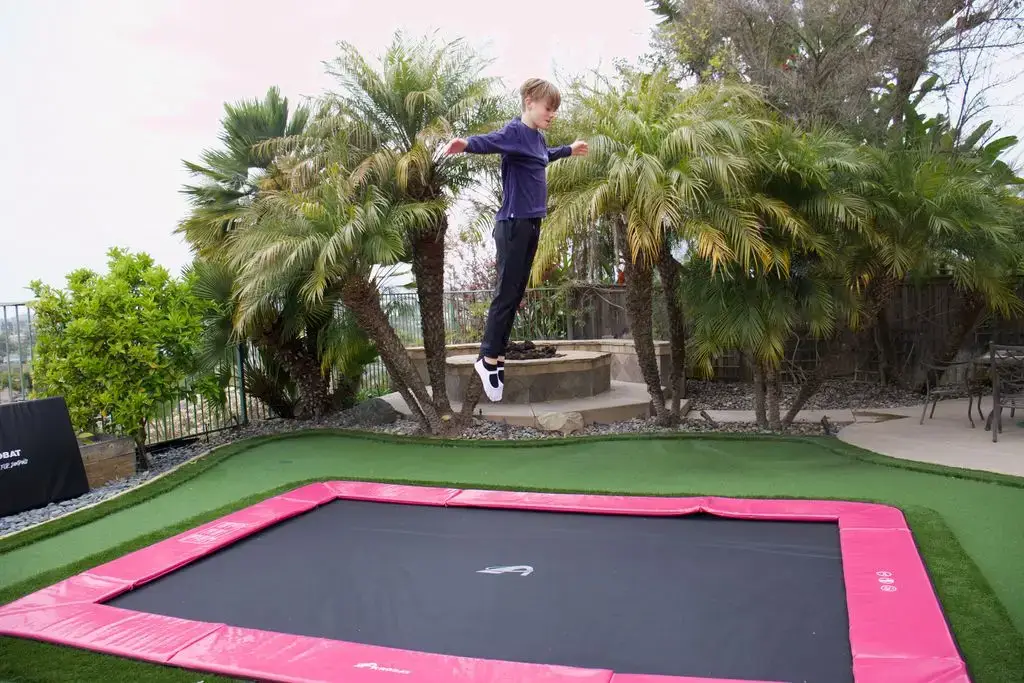
Yes, trampolining can help some with sciatica by strengthening core muscles, improving balance, and reducing joint impact. But incorrect technique, poor equipment, or disc instability can worsen symptoms.
The key lies in how it’s done, who it’s done by, and the equipment used. This is where most articles stop short, but where we go much deeper. We know a thing or two about how precision-engineered trampoline design paired with correct pacing can offer real benefits for certain sciatica sufferers.
Trampolining may help sciatica if you:
- Have stable disc issues, not fresh or unstable herniations
- Start under medical supervision
- Use professionally engineered, joint-friendly trampoline designs
We’ve built this guide for people who want to make an informed, step-by-step decision.
1. How Trampolining May Help Sciatica
1.1 Low Impact, High Results

Traditional exercises like running or plyometrics often place harsh impact forces on the spine. For anyone with sciatica, these jarring motions can aggravate sensitive nerve roots. This is where trampolining stands apart.
1.2 Strengthening Core & Stabilizers
Small balance corrections occur naturally while rebounding. Every subtle adjustment recruits deep spinal stabilizers, including the multifidus and transverse abdominis, key muscles responsible for spinal stability.
For many with sciatica, weakness in these stabilizers contributes to recurring symptoms.
Unlike static core exercises, jumping trains these muscles dynamically. This enhances proprioception (your body’s sense of spatial awareness), helping build protective strength around vulnerable areas without the aggressive loading of weights or machines.
1.3 Boosting Blood Flow to Discs
Movement stimulates circulation, and rebounding increases blood flow without creating compressive disc loads. Hydrated spinal discs are healthier discs. Improved circulation can help maintain disc nutrition, especially in degenerative disc cases where hydration loss contributes to pain.
By elevating heart rate moderately, trampolining offers cardiovascular benefits that directly support spinal disc function, without the risks associated with high-impact cardio like jogging or aerobics.
1.4 Lymphatic Drainage and Detox Benefits
The rhythmic vertical movement pumps lymph fluid through the body, promoting detoxification and reducing systemic inflammation, a significant benefit for anyone dealing with chronic pain or nerve irritation.
Because the lymphatic system lacks its own pump, these gentle repetitive movements create an efficient cleansing cycle not achievable through traditional exercises alone.
1.5 Mental Health and Hormonal Boosts
Chronic pain wears down both body and mind. The mental health benefits of rebounding deserve attention. The act of bouncing triggers the release of endorphins, serotonin, and adrenaline, all of which elevate mood, reduce anxiety, and restore a sense of control.
Even brief trampoline sessions have been shown to boost energy, improve sleep, and support emotional balance, factors that play a large role in managing persistent sciatica symptoms.
2. Choosing the Right Trampoline for Sciatica
2.1 Why Equipment Quality Is Critical
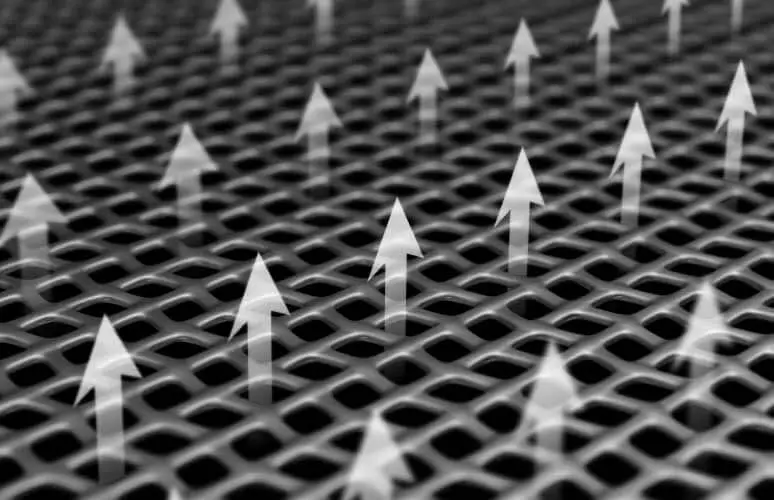
When your spine is vulnerable, every mechanical detail matters. Akrobat trampolines are engineered for controlled, consistent rebound performance.
The AkroVENT mat allows air to flow freely beneath each jump, preventing destabilizing suction forces and ensuring your joints experience a smooth vertical load. Combined, these systems reduce the cumulative micro-trauma often responsible for nerve aggravation on poorly engineered equipment.
2.2 In-Ground vs Above-Ground Options
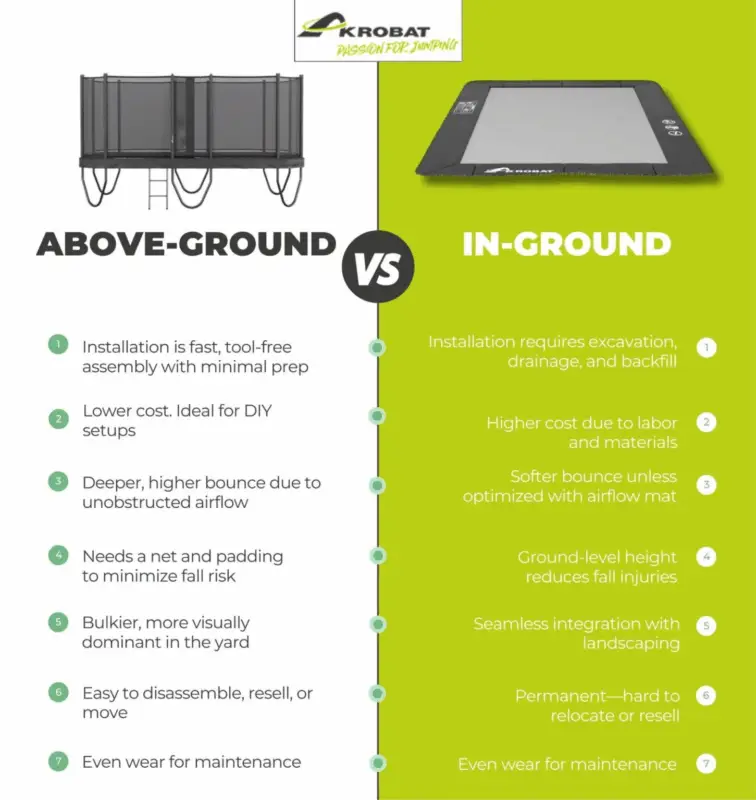
Fear of falling is very real for many sciatica patients. In-ground trampolines solve this concern by positioning the jump surface nearly flush with ground level, reducing psychological apprehension and physical risk.
We offer both in-ground and above-ground models engineered with the same safety features. But for individuals recovering from nerve injury, in-ground installations often provide an additional layer of confidence.
- Helpful Resource -> In-Ground Vs. Above Ground Trampolines
- 👉Shop Round And Rectangular In-Ground Trampolines
- 👉Shop Above-Ground Trampolines
2.3 Long-Term Safety Commitment
Many generic trampolines degrade quickly, leading to uneven bounce surfaces and structural instability, both serious problems for sensitive backs. Akrobat trampolines are tested to withstand over 2.5 million jumps, backed by leading industry warranties.
Frames are built from hot-galvanized steel, fully rust-resistant even in coastal climates, and designed to maintain structural integrity over years of use. Stability is not a bonus feature, it’s the foundation of safe, therapeutic rebounding.
2.4 Customizing to User Needs
Recovery isn’t one-size-fits-all. That’s why Akrobat offers multiple customization options:
- Handlebar supports for additional balance control.
- Softer mats for those requiring extra joint protection.
- Adaptive designs that accommodate users ranging from recreational jumpers to paraplegic athletes using trampolines for balance training and neuro-rehabilitation.
With proper customization, even those with complex spinal histories may discover that rebounding can fit into their recovery plan safely.
3. A Step-by-Step Approach to Begin
3.1 Pre-Rebounding Medical Clearance
Before stepping onto any trampoline, medical clearance is non-negotiable for anyone with sciatica. If you have disc herniation, spinal instability, or recent surgery, speak with your physician or physical therapist first. Even mild nerve irritation can behave unpredictably when exposed to new movement patterns.
3.2 The 60-Second Rule: Ultra-Slow Ramp-Up
One of the biggest mistakes we see is starting too aggressively. Sciatica recovery demands patience. We recommend starting with just one minute of light rebounding per day. This allows your nervous system to adapt without overwhelming irritated tissues. Track your symptoms for 24-48 hours after each session. If no worsening occurs, slowly increase time in small increments.
The nervous system often responds to irritation with delayed flare-ups. This measured approach gives you full visibility into how your body reacts to each stage.
3.3 Signs You Should Pause or Stop
Muscle fatigue and mild soreness are normal signs of muscle engagement. But nerve irritation presents differently:
- Radiating pain
- Burning
- Tingling
- Escalating numbness
- Etc.
If any of these occur, especially delayed onset, you should pause immediately and consult your provider.
3.4 Supplement With Other Sciatica-Friendly Exercises
Rebounding doesn’t stand alone. In many cases, it works best when combined with additional sciatica-friendly modalities such as:
- Water walking: excellent for decompression with full spinal support.
- Side glides: particularly effective for certain herniated disc patterns.
- McKenzie exercises: often recommended by therapists for directional preference correction.
Used together, these exercises create a multi-layered recovery approach that targets flexibility, stabilization, and decompression simultaneously.
Trampolining With Sciatica Is Possible
Rebounding offers real advantages, but only when approached with respect for the unique challenges of sciatica. With careful pacing, proper medical clearance, and equipment specifically engineered for joint protection.
Our trampolines aren’t just recreational equipment, they’re precision-engineered tools built to deliver smoother, joint-friendly rebound cycles you can trust.
Here’s how we help:
- AkroVENT Jumping Mat: Allows superior airflow and 62.7% softer bounce absorption, ideal for sensitive joints.
- AkroSPRING Suspension System: Progressive spring technology reduces harsh rebound forces that could aggravate disc issues.
- In-Ground Options: Lower perceived bounce height minimizes fear of falls while preserving full rebound benefits.
That’s the experience we’ve designed at AkrobatUSA, because precision matters when your spine is on the line.
